
Wellness · November 6, 2026
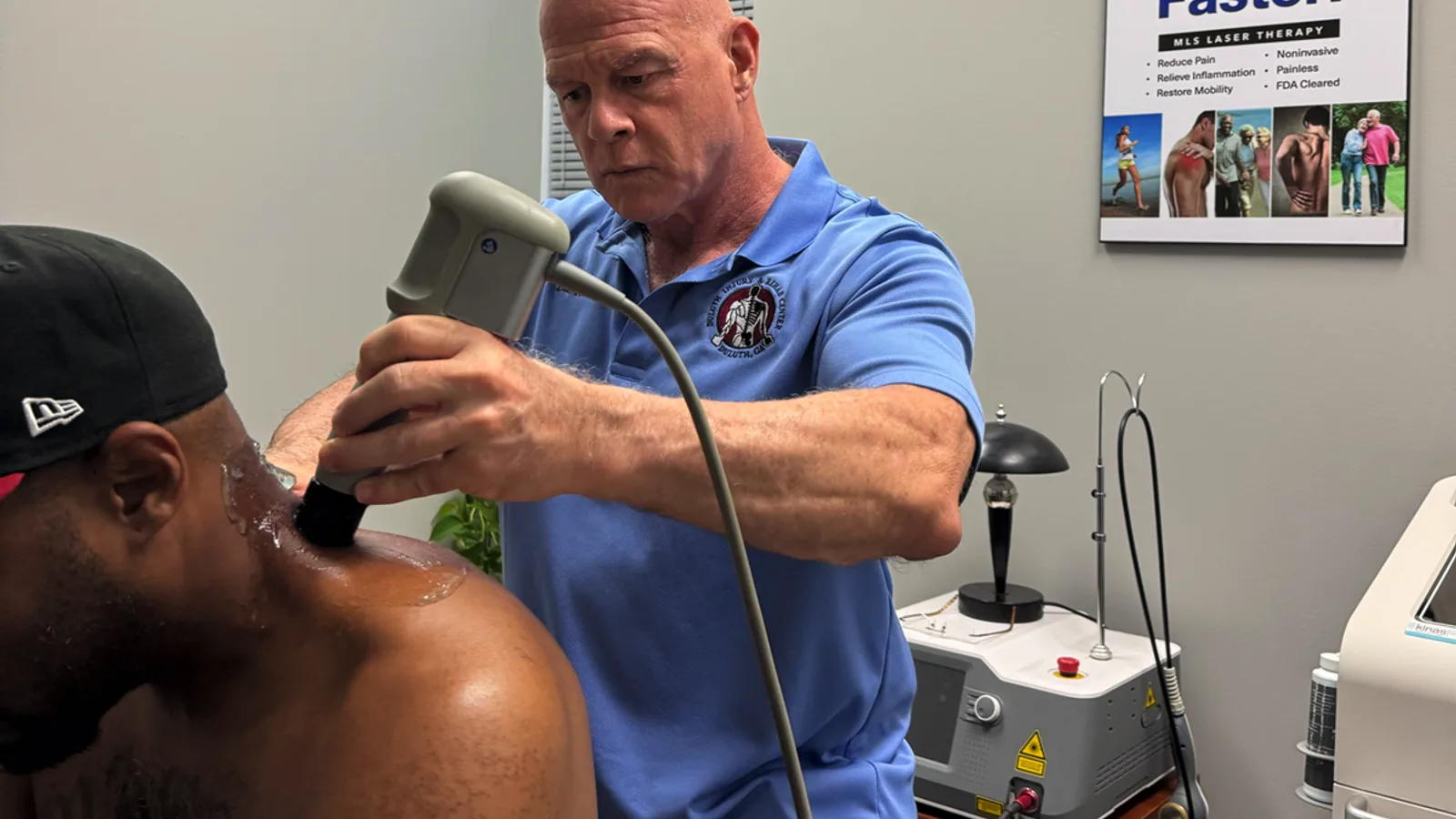
Back pain has a way of stopping you in your tracks. One moment you're going about your day, and the next, a sharp ache or deep, nagging tension reminds you that something isn't right. If you've been dealing with back pain — whether it came on suddenly or has been building for months — you're not alone. It's one of the most common reasons people seek care, and here in Norcross, GA, Dr. Joe Hans sees patients from all walks of life who are searching for answers and relief. Understanding the root causes of back pain is the first step toward getting better, and that's exactly what this article is here to help you do.
What Is Back Pain, Exactly?
Back pain refers to discomfort, tension, stiffness, or sharp sensation anywhere along the spine — from the base of the skull down to the tailbone. It can be acute (short-term, often from a specific incident) or chronic (lasting more than three months). Back pain is not a diagnosis itself — it's a symptom, which means identifying the underlying cause is essential for proper care and lasting relief.
- Common Causes of Back Pain
- Understanding Your Spine and Why It Matters
- Signs and Symptoms to Pay Attention To
- How Chiropractic Care Can Help
- Practical Tips to Support a Healthier Back
- When to See a Chiropractor
- Myths vs. Facts About Back Pain
- Final Thoughts from Hans Chiropractic & Injury Center
Common Causes of Back Pain
Back pain doesn't come from just one place. It can stem from muscles, joints, nerves, discs, or even poor habits that have accumulated over time. Dr. Joe Hans often emphasizes to patients at Hans Chiropractic & Injury Center that the first goal is always to understand the source — because treating the symptom without addressing the cause rarely leads to lasting improvement.
Muscle Strains and Ligament Sprains
This is one of the most frequent back pain causes seen in clinical practice. Lifting something heavy with poor form, twisting awkwardly, or even sleeping in a bad position can strain the muscles and ligaments supporting your spine. The result is inflammation, muscle guarding, and pain that can range from dull and achy to sharp and debilitating. These injuries often heal with time, but without proper support, they can become recurring problems.
Herniated or Bulging Discs
Between each vertebra in your spine sits a disc — a cushion-like structure with a tough outer shell and a soft inner core. When that outer shell weakens or cracks, the inner material can push outward and press on nearby nerves. This is commonly called a herniated disc, and it can cause radiating pain, numbness, or tingling that travels down the leg (a symptom known as sciatica). Many patients in Norcross, GA come to Hans Chiropractic & Injury Center after months of this type of nerve-related discomfort.
Spinal Misalignments (Vertebral Subluxations)
When the vertebrae in your spine are not aligned properly, they can interfere with normal joint movement, place uneven stress on surrounding muscles, and compress or irritate nearby nerves. Chiropractors refer to these misalignments as subluxations. They can develop from a single traumatic event like a car accident or fall, or gradually over time from poor posture, repetitive movements, and prolonged sitting.
Degenerative Disc Disease
As we age, the discs between our vertebrae naturally lose some of their height and hydration. This is a normal part of aging, but in some people, it progresses more quickly and leads to chronic pain, stiffness, and reduced mobility. Despite the name, "degenerative disc disease" is not a true disease — it's a description of wear and tear on the spine over time. Many patients manage it very well with consistent conservative care.
Arthritis and Spinal Stenosis
Osteoarthritis can affect the joints of the spine just as it does other joints in the body. Over time, cartilage wears down, bones may develop spurs, and the spaces where nerves travel can narrow. When the spinal canal narrows significantly, the condition is called spinal stenosis. It often causes pain, weakness, or cramping that worsens with standing or walking and improves with sitting or leaning forward.
Lifestyle and Postural Factors
Some of the most common back pain causes in today's world are rooted in how we live and move — or don't move. Hours of sitting at a desk, poor ergonomics, a sedentary lifestyle, excessive screen time, and carrying a heavy bag on one shoulder can all contribute to spinal stress. These aren't dramatic injuries, but they add up. Dr. Joe Hans frequently sees patients whose back pain developed gradually without any single "incident" to point to.
Understanding Your Spine and Why It Matters
Your spine is a remarkable structure. It provides the central support for your entire body, protects your spinal cord and nerve roots, and allows for the range of motion you use every single day. It's made up of 33 vertebrae organized into five regions: cervical (neck), thoracic (mid-back), lumbar (lower back), sacral, and coccygeal (tailbone). Most back pain occurs in the lumbar spine, which bears the greatest load and endures the most movement.
The key to understanding back pain causes often lies in recognizing how interconnected these structures are. The spine doesn't work in isolation — it's supported by muscles, stabilized by ligaments, cushioned by discs, and threaded through with nerves. When any one of these components is under stress, it can affect the others. That's why Dr. Joe Hans takes a whole-body approach at Hans Chiropractic & Injury Center, assessing not just where you feel pain, but why that area is under strain in the first place.
Your posture, your movement patterns, your occupation, your past injuries — all of these create a unique spinal profile. That's also why two people with the same complaint of "lower back pain" may have completely different underlying causes and require different approaches to care.
Signs and Symptoms to Pay Attention To
Back pain presents differently from person to person, and the characteristics of your pain can offer important clues about its origin. A dull, constant ache in the lower back after a long day of sitting typically points to muscular fatigue or postural stress. A sharp, stabbing pain that worsens with specific movements may suggest a disc issue or joint irritation. Burning or electrical sensations that travel down one leg are often associated with nerve compression.
Stiffness in the morning that gradually loosens up throughout the day is frequently linked to spinal joint restrictions or early degenerative changes. Pain that improves with movement but worsens with prolonged rest can suggest inflammation. If you're experiencing back pain that comes with other symptoms — such as bladder or bowel changes, unexplained weight loss, fever, or significant weakness in the legs — those are signs that you should seek medical evaluation promptly, as they may indicate something beyond a musculoskeletal issue.
How Chiropractic Care Can Help
Chiropractic care is a non-invasive, drug-free approach to addressing many of the most common back pain causes. At Hans Chiropractic & Injury Center in Norcross, GA, Dr. Joe Hans focuses on evaluating the spine and musculoskeletal system to identify where function has been disrupted — and then restoring proper movement and alignment through chiropractic adjustments and complementary care.
Spinal adjustments (also called spinal manipulation) are the foundation of chiropractic care. The goal is to restore normal joint motion, reduce nerve irritation, and allow the body's natural healing processes to take effect. Evidence from organizations like the American College of Physicians (ACP) suggests that spinal manipulation is a reasonable first-line option for acute and chronic low back pain, particularly before considering medication or surgery.
Beyond adjustments, care at Hans Chiropractic & Injury Center may include soft tissue therapies to address muscle tension, rehabilitative exercises to strengthen supportive muscles, and guidance on posture and ergonomics. The goal isn't just to get you out of pain — it's to help you understand why the pain developed so you can make changes that protect your back long-term. Dr. Joe Hans takes the time to educate each patient, because an informed patient is an empowered one.
Practical Tips to Support a Healthier Back
While professional care is important for identifying and treating back pain causes, there's a great deal you can do day-to-day to support your spinal health. Small, consistent habits can make a significant difference in how your back feels and functions over time.
Movement is medicine. The spine thrives on regular, gentle movement — not prolonged rest. If your job requires sitting for long periods, aim to stand and move briefly every 30 to 45 minutes. Even a short walk around the office or a few gentle stretches can help reduce spinal loading and muscle tension. Staying active with low-impact exercise like walking, swimming, or yoga can support the muscles that hold your spine in alignment.
Pay attention to your sleeping position. Sleeping on your stomach places significant strain on the neck and lower back. Side sleeping with a pillow between the knees, or back sleeping with a pillow under the knees, can reduce spinal stress during rest. Your mattress matters too — something that is either too soft or too firm can contribute to morning stiffness and discomfort.
Be mindful of how you lift. Even light objects can cause injury when lifted with a bent back and straight legs. Instead, hinge at the hips, keep the load close to your body, and use your leg muscles to do the work. This is one of the simplest and most impactful habits you can build for long-term back health.
When to See a Chiropractor
Many people wait far too long before seeking care for back pain — often hoping it will simply resolve on its own. While mild, short-term back pain sometimes does improve without treatment, persistent or recurring pain is a signal that something in the spine or surrounding structures needs attention. Waiting can allow the underlying issue to worsen or become more difficult to address.
Consider scheduling an evaluation at Hans Chiropractic & Injury Center if your back pain has lasted more than a few days, if it's interfering with your daily activities or sleep, if it came on after an injury (even a minor one), or if you're noticing symptoms like numbness, tingling, or weakness in your legs. Early evaluation gives you the best chance of identifying the back pain cause and addressing it efficiently.
However, some symptoms warrant immediate medical attention rather than a chiropractic visit. Seek emergency care if you have sudden, severe back pain following trauma, if you experience loss of bladder or bowel control, or if back pain is accompanied by severe neurological symptoms. Dr. Joe Hans and the team at Hans Chiropractic & Injury Center will always refer patients appropriately when a concern is outside the scope of chiropractic care.
Back Pain Causes at a Glance
| Cause | Common Triggers | Typical Symptoms | Chiropractic Relevance |
|---|---|---|---|
| Muscle Strain | Heavy lifting, sudden movement, overuse | Localized aching, stiffness, tenderness | Highly relevant — responds well to soft tissue care and adjustments |
| Herniated Disc | Repetitive bending, lifting, age-related wear | Radiating pain, numbness, tingling into leg | Often addressed with gentle spinal decompression and adjustments |
| Subluxation | Poor posture, trauma, repetitive stress | Joint stiffness, localized pain, nerve symptoms | Primary focus of chiropractic evaluation and care |
| Degenerative Disc Disease | Aging, sedentary lifestyle, prior injuries | Chronic stiffness, reduced range of motion | Managed with conservative care to maintain function |
| Spinal Stenosis | Arthritis, aging, spinal narrowing | Pain/cramping with walking, relief when sitting | Supportive care; works best alongside medical management |
| Postural/Lifestyle Factors | Prolonged sitting, poor ergonomics, inactivity | Gradual onset pain, tension, fatigue | Highly relevant — ergonomic guidance and corrective care |
Myths vs. Facts About Back Pain
Myth: Rest is the best treatment for back pain.
Fact: While brief rest may be appropriate immediately after an acute injury, prolonged bed rest is generally not recommended and can actually slow recovery. Research consistently shows that staying gently active — within your comfort level — promotes faster healing and better long-term outcomes than extended rest.
Myth: Back pain always means something is seriously wrong.
Fact: The vast majority of back pain cases are musculoskeletal in nature and do not involve serious pathology. That said, it's always worth having persistent pain professionally evaluated to identify the cause and rule out anything that requires medical attention.
Myth: If imaging doesn't show anything, your pain isn't real.
Fact: X-rays and MRIs don't capture everything. Muscle tension, ligament irritation, joint restriction, and nerve sensitivity can cause significant pain without showing up clearly on imaging. Your experience of pain is real regardless of what a scan does or doesn't reveal.
Myth: Chiropractic adjustments are dangerous for the back.
Fact: Spinal manipulation performed by a licensed chiropractor is considered a safe and effective approach for most common back pain causes. As with any form of care, there are contraindications, which is why a thorough evaluation is always performed before treatment begins. Dr. Joe Hans conducts a comprehensive assessment with every new patient.
Myth: You should just live with back pain as you get older.
Fact: While some degree of spinal change is a normal part of aging, chronic pain is not something you simply have to accept. Many people experience meaningful improvement in pain levels, mobility, and quality of life with consistent conservative care — at any age.
Final Thoughts from Hans Chiropractic & Injury Center
Back pain is incredibly common, but it doesn't have to be your normal. Here in Norcross, GA, the team at Hans Chiropractic & Injury Center is committed to helping our community understand what's really going on with their bodies — and to offering genuine, individualized care that addresses the source, not just the symptom.
Dr. Joe Hans believes that every patient deserves a clear explanation of what's contributing to their back pain, a thoughtful plan of care, and the support to make lasting changes. Whether your discomfort came on suddenly after an accident or has crept up slowly over years of desk work and daily stress, there are answers — and there are options.
If you've been struggling with back pain and you're ready to understand what's behind it, we'd love to help. Hans Chiropractic & Injury Center is here to serve the Norcross, GA community with compassionate, evidence-informed chiropractic care.
Frequently Asked Questions
What are the most common back pain causes in adults?
The most common causes include muscle strains, herniated or bulging discs, spinal joint restrictions, poor posture, and age-related degenerative changes. Lifestyle factors like prolonged sitting and inactivity are also major contributors in today's world. A professional evaluation can help identify which factor is driving your specific discomfort.
How do I know if my back pain needs medical attention?
Most back pain is musculoskeletal and responds well to conservative care. However, if your pain is accompanied by bladder or bowel changes, unexplained weight loss, fever, or significant leg weakness, you should seek medical evaluation promptly. Persistent pain lasting more than a few weeks also warrants professional assessment.
Can a chiropractor help with lower back pain?
Yes. Chiropractic care is widely recognized as an effective conservative approach for many common lower back pain causes. The American College of Physicians includes spinal manipulation as a recommended first-line treatment option for both acute and chronic low back pain. At Hans Chiropractic & Injury Center, Dr. Joe Hans tailors care to each patient's unique needs.
How long does it take to recover from back pain?
Recovery time depends heavily on the cause, severity, and how long the problem has been present. Acute muscle strains often improve within a few weeks. Disc-related or chronic conditions may take longer and benefit from ongoing care and lifestyle changes. Early treatment generally leads to faster and more complete recovery.
Is it safe to exercise when I have back pain?
In most cases, gentle movement and low-impact activity are encouraged even during a back pain episode. Complete inactivity can actually slow recovery. That said, it's important to avoid high-impact or heavy loading activities until you've been evaluated. Dr. Joe Hans can guide you on appropriate movement during your recovery.
What should I expect at my first chiropractic visit for back pain?
Your first visit at Hans Chiropractic & Injury Center will typically include a detailed health history, a physical and spinal examination, and a discussion of your symptoms and goals. Dr. Joe Hans will work to identify the underlying back pain cause before recommending a care approach. You'll leave with a clear understanding of what's going on and a plan moving forward.
TL;DR — Key Takeaways
- Back pain is a symptom, not a diagnosis — identifying the underlying cause is essential for effective, lasting relief.
- Common back pain causes include muscle strains, herniated discs, spinal misalignments, degenerative changes, and lifestyle factors like poor posture and prolonged sitting.
- Chiropractic care offers a non-invasive, drug-free approach to addressing many of the most common causes of back pain — and evidence supports spinal manipulation as a first-line option.
- Gentle movement, proper lifting mechanics, ergonomic awareness, and consistent care all play a role in long-term back health.
- If your back pain has persisted for more than a few days or is affecting your daily life, don't wait — a professional evaluation at Hans Chiropractic & Injury Center in Norcross, GA can help you get answers and start feeling better.