
Wellness · September 14, 2026
Back pain is one of the most common reasons people seek medical care — and one of the most frustrating conditions to live with. Whether it's a dull ache that lingers after a long workday or a sharp pain that stops you in your tracks, back pain has a way of affecting every part of your daily life. If you've been wondering whether chiropractic care is a safe and effective option for back pain relief, you're asking exactly the right question. Here in Norcross, GA, many patients come through the doors at Hans Chiropractic & Injury Center with that same question, and the answer is both encouraging and well-supported by evidence.
What is chiropractic care for back pain?
Chiropractic care is a non-invasive, drug-free approach to treating musculoskeletal conditions — including back pain — by focusing on the alignment of the spine and the health of the nervous system. A chiropractor uses hands-on techniques, most commonly spinal adjustments, to correct misalignments (called subluxations), reduce nerve irritation, restore range of motion, and support the body's natural healing process.
What the Research Says About Chiropractic Care and Back Pain
Is Chiropractic Care Safe? Understanding the Risks and Benefits
What the Research Says About Chiropractic Care and Back Pain
The short answer is this: evidence strongly supports chiropractic care as an effective, first-line option for many types of back pain. Major healthcare organizations, including the American College of Physicians (ACP) and the National Institutes of Health (NIH), have recognized spinal manipulation as a legitimate, evidence-based treatment for both acute and chronic low back pain.
The Cochrane Library — one of the most respected sources of clinical evidence — has reviewed numerous studies on spinal manipulation and found it to be at least as effective as other common treatments for low back pain, including pain medications and physical therapy, for many patients. Research also suggests that chiropractic care can meaningfully reduce pain intensity and improve physical function without the side effects associated with long-term medication use.
The World Health Organization (WHO) also recognizes chiropractic as a distinct healthcare profession with an established evidence base. When you look at the broader picture, chiropractic care isn't a fringe alternative — it's a mainstream, conservative care option backed by decades of clinical research.
That said, it's important to be honest: no treatment works the same for every patient. The effectiveness of chiropractic care depends on the type of back pain, its underlying cause, how long it's been present, and individual patient factors. At Hans Chiropractic & Injury Center, Dr. Joe Hans always begins with a thorough evaluation to determine whether chiropractic is the right fit for each individual patient.
Common Causes of Back Pain Chiropractic Can Address
Back pain isn't a single condition — it's a symptom with many potential causes. Understanding what's driving your pain is the first step toward finding real relief. Chiropractic care is particularly well-suited for addressing back pain rooted in the spine's structure and the surrounding soft tissues.
Some of the most common causes of back pain that respond well to chiropractic care include spinal misalignments, muscle tension and spasm, joint restriction or dysfunction, herniated or bulging discs, and postural imbalances from prolonged sitting or poor ergonomics. Here in Norcross and the surrounding communities, many of our patients are desk workers, drivers, or people who spend long hours in positions that put repetitive stress on the spine.
Muscle imbalances are another frequent culprit. When certain muscles become overworked while others weaken from underuse, the spine loses its natural support structure. This creates uneven pressure on the vertebrae and discs, which can lead to pain, stiffness, and reduced mobility over time. Chiropractic adjustments combined with soft tissue care and movement guidance can help restore that balance.
It's equally important to recognize what chiropractic care is not designed to treat. Conditions like fractures, tumors, infections, or certain inflammatory diseases require medical evaluation and treatment. Dr. Joe Hans takes every patient's health history seriously and will refer out when another type of care is more appropriate — because your safety always comes first.
Is Chiropractic Care Safe? Understanding the Risks and Benefits
Safety is one of the most common concerns patients raise when considering chiropractic care — and it's a completely fair question to ask. The reassuring reality is that chiropractic care, when performed by a licensed and trained chiropractor, is considered one of the safest conservative treatments available for back pain.
Serious adverse events from spinal adjustments are rare. The most commonly reported side effects are mild and temporary — things like muscle soreness or stiffness following a session, similar to how you might feel after a new workout. These sensations typically resolve within 24 to 48 hours.
There are some situations where chiropractic adjustments need to be modified or avoided. Patients with severe osteoporosis, certain types of nerve compression, or known vascular conditions may not be candidates for traditional high-velocity adjustments. A qualified chiropractor will screen for these conditions during the intake process. At Hans Chiropractic & Injury Center, Dr. Joe Hans conducts a detailed health history and physical assessment before beginning any care plan to make sure treatment is appropriate and safe for each patient.
It's also worth noting that choosing chiropractic care can help patients avoid some of the risks associated with other treatment paths. Long-term reliance on pain medication carries its own risks, and surgery — while sometimes necessary — is far more invasive and involves a significant recovery process. For many patients with mechanical back pain, chiropractic is a conservative first step that helps them avoid escalating to more aggressive interventions.
How Chiropractic Care Fits Into Your Back Pain Recovery
Chiropractic care isn't about a single "crack" and calling it done. At Hans Chiropractic & Injury Center in Norcross, GA, the approach is thoughtful, individualized, and built around your specific needs and goals. Dr. Joe Hans designs care plans that may include spinal adjustments, soft tissue therapy, postural correction, and patient education — all working together to support your recovery.
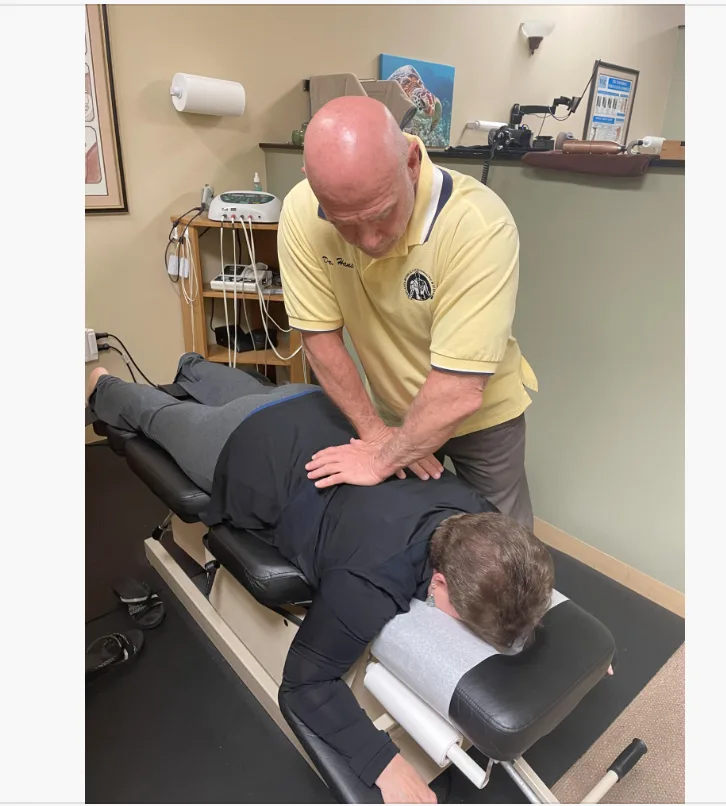
During a spinal adjustment, controlled force is applied to specific joints in the spine that are restricted in their movement. This helps restore proper motion, reduce nerve interference, and ease muscle tension in the surrounding area. Many patients report feeling noticeable relief — sometimes even after just a few visits — though the number of sessions needed varies widely depending on the nature and history of the problem.
Beyond adjustments, chiropractic care at a well-rounded practice also involves addressing the lifestyle factors that contributed to the pain in the first place. That might mean guidance on how to set up your workstation more ergonomically, exercises to improve core strength and stability, or advice on how to protect your spine during everyday activities like lifting or commuting.
Chiropractic care can also work alongside other healthcare approaches. Many patients in the Norcross area find that chiropractic care pairs well with physical therapy, massage therapy, or acupuncture for a more comprehensive recovery. Dr. Joe Hans supports a collaborative approach to care and is happy to coordinate with other providers when it benefits the patient.
Practical Tips for Supporting Your Back Health at Home
Getting chiropractic care is a great first step, but what you do between visits matters just as much. Here are some practical, evidence-aligned habits that can help you protect your back and support your recovery.
First, pay attention to your posture throughout the day. Prolonged sitting with a rounded lower back puts significant pressure on the lumbar spine and discs. Try to sit with your hips slightly above your knees, feet flat on the floor, and a small curve maintained in your lower back. If you work at a desk, consider using a lumbar support cushion or adjusting your chair to support your natural spinal curve.
Movement is medicine. The spine needs regular motion to stay healthy — it gets its nutrients largely through movement-driven fluid exchange in the discs. Taking short walking breaks every 30 to 60 minutes, doing gentle stretches, or simply standing up and shifting positions can make a meaningful difference in how your back feels at the end of the day.
Sleeping position also plays a role in back health. Sleeping on your side with a pillow between your knees or on your back with a pillow under your knees can help maintain spinal alignment while you rest. Sleeping face-down is generally hard on the lower back and neck, so it's worth trying to transition away from that position if it's a habit.
Finally, don't ignore core strength. A strong core — which includes the deep abdominal muscles, pelvic floor, and back extensors — acts like a natural brace for your spine. Low-impact core exercises like diaphragmatic breathing, pelvic tilts, and gentle abdominal bracing can support your chiropractic progress without straining an already irritated back.
When to See a Chiropractor for Back Pain
Many people wait longer than they should before seeking care for back pain — often hoping it will just go away on its own. While minor muscle soreness from exertion might resolve in a few days with rest, persistent or recurring back pain deserves professional attention. The longer pain goes untreated, the more likely it is to become chronic and harder to resolve.
Consider scheduling an evaluation at Hans Chiropractic & Injury Center if your back pain has lasted more than a week or two without improvement, if it's interfering with your work, sleep, or daily activities, if it came on after an auto accident or physical injury, or if it keeps returning after short periods of relief. These are all signs that something in the spine or surrounding soft tissues may need professional attention.
There are also certain red flags that should prompt you to seek medical care rather than — or in addition to — chiropractic. These include back pain accompanied by fever, unexplained weight loss, loss of bladder or bowel control, or pain that radiates down the leg with numbness or weakness. These symptoms may indicate a more serious condition requiring imaging or medical evaluation. Dr. Joe Hans is trained to recognize these red flags and will always prioritize getting you the right care, even when that means a referral.
Chiropractic vs. Common Back Pain Treatments
Treatment Option | Invasive? | Drug-Free? | Evidence for Back Pain? | Common Considerations |
|---|---|---|---|---|
Chiropractic Care | No | Yes | Yes – supported by ACP, NIH, Cochrane | Safe for most; not appropriate for all conditions |
Pain Medication (OTC/Rx) | No | No | Moderate short-term relief | Risk of side effects and dependency with long-term use |
Physical Therapy | No | Yes | Yes – well-supported | Works well alongside chiropractic care |
Epidural Steroid Injections | Minimally invasive | No | Moderate; effects may be temporary | Typically used for nerve-related pain |
Surgery | Yes | No | Effective for specific structural conditions | Recovery time, risks; considered when conservative care fails |
Myths vs. Facts About Chiropractic Care
Myth: Chiropractic adjustments are dangerous.
Fact: When performed by a licensed chiropractor, spinal adjustments are considered a low-risk treatment. Mild soreness after a session is the most commonly reported side effect and typically resolves within a day or two. Serious complications are rare and are further minimized by thorough patient screening before care begins.
Myth: Once you start seeing a chiropractor, you have to go forever.
Fact: Chiropractic care plans are individualized and goal-oriented. Some patients complete a short course of care to address an acute problem and then move on. Others choose ongoing wellness care to maintain their progress — but that's always a personal choice, never a requirement. Dr. Joe Hans will clearly explain your care plan and what to expect.
Myth: Chiropractic care only treats back pain.
Fact: While back pain is one of the most common reasons people seek chiropractic care, chiropractors are also trained to assess and treat neck pain, headaches, joint problems, and other musculoskeletal conditions. The spine's health is connected to overall nervous system function, so addressing spinal health can have broad benefits.
Myth: The "cracking" sound during an adjustment means something is breaking.
Fact: That familiar popping sound is simply the release of gas from the fluid inside the joint — the same process that happens when you crack your knuckles. It's a completely normal part of the adjustment process and doesn't indicate any structural damage.
Myth: Chiropractic care is not evidence-based.
Fact: Chiropractic care for back pain is supported by a substantial and growing body of research. Organizations like the American College of Physicians and the National Institutes of Health include spinal manipulation in their clinical guidelines for the treatment of low back pain.
Final Thoughts from Hans Chiropractic & Injury Center
If you've been living with back pain and wondering whether chiropractic care is worth trying, we hope this article has given you clarity and confidence. The evidence is clear that chiropractic care is a safe, effective, and drug-free option for many types of back pain — and it may help you avoid more invasive treatments down the road.
Here in Norcross, GA, the team at Hans Chiropractic & Injury Center is committed to providing thoughtful, personalized care that meets each patient where they are. Dr. Joe Hans brings both clinical expertise and genuine compassion to every evaluation, and his goal is always to help patients understand their condition, feel empowered in their recovery, and get back to the life they enjoy.
You don't have to just "live with" back pain. Whether it started after an injury, crept in over years of desk work, or seems to come and go without explanation, there are answers — and there is help. Reaching out to a chiropractor near you in the Norcross area is a simple, safe, and proactive step toward feeling better and protecting your long-term spinal health.
Frequently Asked Questions
How many chiropractic visits does it take to relieve back pain?
The number of visits varies depending on the type, severity, and duration of your back pain. Some patients notice significant improvement within a handful of visits; others with chronic or more complex conditions may benefit from a longer care plan. Dr. Joe Hans will outline a realistic timeline during your initial evaluation.
Is chiropractic care safe for older adults with back pain?
Yes, chiropractic care can be appropriate for older adults, though the approach may be modified based on factors like bone density or other health conditions. Chiropractors are trained to adapt techniques to suit the patient's age and physical condition. A thorough intake assessment helps ensure the safest and most effective approach.
Can chiropractic care help with a herniated disc?
Chiropractic care is often beneficial for patients with disc-related back pain, as it can help reduce pressure on the affected disc and surrounding nerves. However, the approach depends on the severity of the herniation and the specific symptoms involved. A proper evaluation is essential to determine whether chiropractic treatment is appropriate in each case.
Will chiropractic care help me avoid back surgery?
For many patients, chiropractic care and other conservative treatments can effectively manage back pain without the need for surgery. Evidence suggests that trying conservative care first is a reasonable approach for most mechanical back pain. However, surgery is sometimes necessary for specific structural conditions, and Dr. Joe Hans will always be transparent about when a referral is warranted.
Is chiropractic care covered by insurance for back pain?
Many insurance plans do include some level of chiropractic coverage, particularly for conditions like back pain. Coverage varies widely depending on the plan and provider. It's best to contact Hans Chiropractic & Injury Center directly or check with your insurance provider to understand your specific benefits.
What should I expect on my first chiropractic visit for back pain?
Your first visit will typically include a detailed health history, a physical and postural assessment, and a discussion of your symptoms and goals. Dr. Joe Hans will explain his findings and, if appropriate, begin treatment during that same visit. You'll leave with a clearer understanding of what's causing your pain and what the next steps look like.
TL;DR Summary
Chiropractic care is a safe, non-invasive, drug-free treatment for many types of back pain, supported by major health organizations including the ACP, NIH, and Cochrane Library.
Common causes of back pain — including spinal misalignments, disc issues, muscle imbalances, and postural problems — often respond well to chiropractic adjustments and complementary care.
Serious side effects from chiropractic are rare; mild soreness is the most common and temporary response.
At Hans Chiropractic & Injury Center in Norcross, GA, Dr. Joe Hans tailors care plans to each patient's individual condition, history, and goals.
If your back pain has lasted more than a couple of weeks, keeps recurring, or is affecting your daily life, it's worth scheduling a professional evaluation sooner rather than later.