
Wellness · October 21, 2026
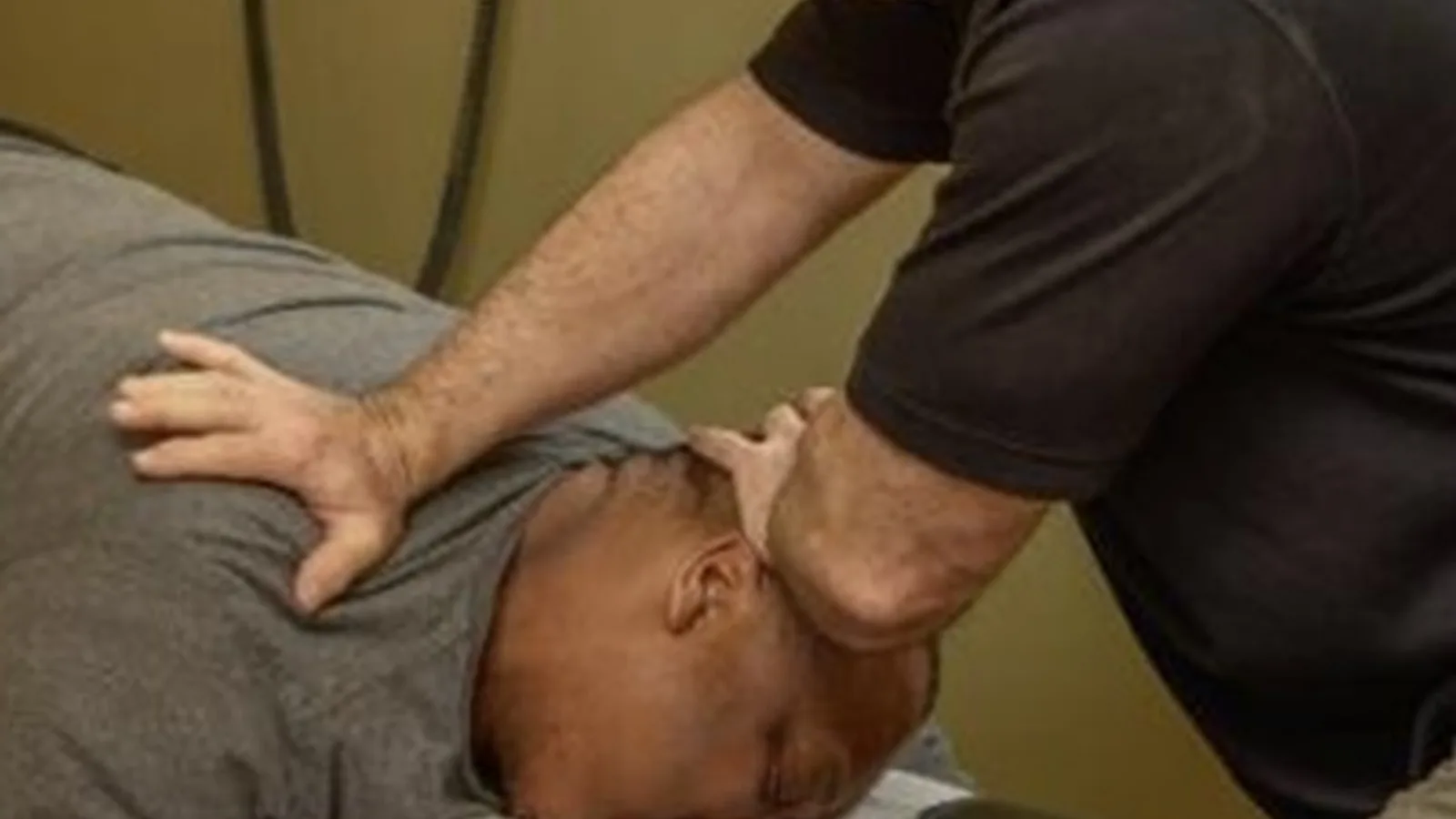
Neck pain is one of the most common complaints we hear about here at Hans Chiropractic & Injury Center in Norcross, GA. Whether it crept up on you after a long day at your desk, flared up after a car accident, or has been nagging you for years without a clear explanation, neck pain can seriously disrupt your daily life. It affects your sleep, your focus, your mood, and even your ability to enjoy simple activities. The good news? Understanding what's actually going on in your neck is the first step toward feeling better — and there is a path forward that doesn't rely on pain medication or surgery.
What Is Neck Pain?
Neck pain refers to discomfort, stiffness, or soreness anywhere along the cervical spine — the seven vertebrae that make up the upper portion of your spine, running from the base of your skull to your upper back. It can be mild and temporary or severe and chronic, and it may radiate into the shoulders, arms, or even cause headaches. Neck pain is extremely common, and the vast majority of cases are musculoskeletal in nature, meaning they involve muscles, joints, nerves, or the spine itself.
What Causes Neck Pain?
The neck is an incredibly mobile structure. It supports the full weight of your head — which averages around 10 to 12 pounds — while allowing you to look up, down, and side to side throughout the day. That combination of load-bearing and constant movement makes the cervical spine particularly vulnerable to strain and injury.
One of the most frequent culprits we see at Hans Chiropractic & Injury Center is poor posture, especially with so many people in the Norcross area spending hours in front of computers, driving in Atlanta traffic, or looking down at their phones. When your head drifts forward of your shoulders — a posture pattern known as forward head posture — the effective weight your neck muscles must support increases dramatically. Over time, this places enormous stress on the joints and soft tissues of the cervical spine.
Other common causes of neck pain include:
Muscle strain and tension: Overuse, awkward sleeping positions, or holding tension in your neck and shoulders can lead to muscle tightness, knots, and irritation. This is often what's happening when your neck feels stiff in the morning or after a stressful week.
Cervical joint dysfunction: The vertebrae in your neck are connected by small joints called facet joints. When these joints become restricted or misaligned — sometimes called a vertebral subluxation in chiropractic terminology — they can cause local pain, reduced range of motion, and sometimes nerve irritation.
Disc problems: The discs between your cervical vertebrae act as shock absorbers. A bulging or herniated disc can put pressure on nearby nerves, causing pain that may radiate into the shoulder or arm, along with tingling or numbness.
Whiplash and trauma: Auto accidents are a significant source of neck injuries. The rapid back-and-forth motion during a collision can strain muscles, sprain ligaments, and misalign joints — even in low-speed impacts. At Hans Chiropractic & Injury Center, Dr. Joe Hans works with many auto accident patients right here in the Norcross community.
Degenerative changes: As we age, the discs and joints of the cervical spine naturally experience wear. This is sometimes called cervical spondylosis, and it can contribute to stiffness, limited range of motion, and periodic pain flare-ups.
Common Symptoms of Neck Pain
Neck pain doesn't always present the same way. Some people feel a dull, persistent ache. Others experience sharp pain with certain movements. Knowing what you're dealing with can help you have a more productive conversation with your care provider.
Stiffness and reduced range of motion are very common — you may notice you can't fully turn your head to check your blind spot while driving, or that tilting your head to one side feels restricted and uncomfortable. Localized soreness along the back or sides of the neck is also typical, sometimes accompanied by muscle tenderness when you press on certain areas.
When a nerve in the cervical spine is irritated or compressed, the pain can travel outward. This is called cervical radiculopathy. You might feel numbness, tingling, or a sharp or burning sensation that radiates down one arm into the fingers. Headaches that originate from the neck — called cervicogenic headaches — are another frequently overlooked symptom. If your headaches tend to start at the base of your skull and creep upward, the cervical spine may very well be involved.
Some patients also report jaw tension, shoulder tightness, or even difficulty sleeping comfortably. Every person's experience is a little different, which is why individualized evaluation matters so much.
Your Cervical Spine Explained Simply
Think of your cervical spine as the foundation for everything above your shoulders. It houses and protects your spinal cord, allows signals to travel between your brain and your body, and keeps your head balanced on top of your torso. That's a significant job for a structure that's both flexible and relatively slender.
The seven cervical vertebrae are labeled C1 through C7. The top two — C1 (the atlas) and C2 (the axis) — have a unique design that allows for the rotational movement of your head. The lower segments work together to allow flexion, extension, and lateral bending. Between each vertebra sit those important discs, and nerve roots exit through small openings on each side, traveling into the arms and upper body.
When any part of this system gets out of balance — whether from injury, posture, overuse, or degenerative changes — the entire region can feel it. That's why a problem at one vertebral level might produce symptoms in a completely different area, like your shoulder or fingers. Understanding this interconnection is central to how Dr. Joe Hans approaches each patient's care at our Norcross, GA practice.
Here's a video that gives you a closer look at how neck pain develops and what's happening inside your cervical spine:
How Chiropractic Care Fits In
Chiropractic care is a non-invasive, drug-free approach to addressing musculoskeletal problems — including neck pain. Rather than masking symptoms, the goal is to identify the underlying mechanical issue and help restore proper movement, alignment, and function to the spine and surrounding tissues.
At Hans Chiropractic & Injury Center, Dr. Joe Hans begins with a thorough evaluation that includes a review of your health history, a physical and orthopedic examination, and assessment of your posture and range of motion. Depending on your situation, imaging such as X-rays may also be recommended to get a clearer picture of what's going on structurally.
Chiropractic adjustments to the cervical spine are a central part of care for many patients with neck pain. These gentle, targeted movements are designed to restore motion to restricted joints, reduce nerve irritation, and relieve associated muscle tension. Research from organizations like the American College of Physicians and the National Institutes of Health has indicated that spinal manipulation is a reasonable conservative care option for many types of neck and back pain.
Beyond adjustments, chiropractic care at our Norcross practice may include soft tissue therapy to address muscle tightness, therapeutic exercises tailored to your condition, posture correction guidance, and education on ergonomics and daily habits. It's a whole-person approach, not just a quick fix.
For patients who have been in an auto accident, early chiropractic intervention can be especially valuable. Whiplash injuries often don't produce their full symptoms immediately, and addressing the underlying soft tissue and joint damage sooner rather than later may support better long-term outcomes. Dr. Joe Hans has extensive experience working with injury patients in the Norcross, GA area and is familiar with the documentation and coordination that these cases often require.
Practical Tips to Help Your Neck Feel Better
While nothing replaces a proper evaluation, there are several practical habits that can make a meaningful difference in how your neck feels day to day. These recommendations are consistent with general conservative care principles and are safe for most adults.
Mind your monitor height: Your computer screen should be at eye level so you're not constantly looking down or craning upward. A monitor that's even slightly too low can cause significant forward head drift over the course of a workday.
Take movement breaks: Staying in one position for extended periods — whether sitting at a desk or driving — stiffens the joints and fatigues the muscles. Setting a reminder to stand, stretch, and move for a couple of minutes every 45 to 60 minutes can help reduce cumulative strain.
Check your sleep setup: Your pillow should support the natural curve of your neck without pushing your head too far forward or letting it drop to the side. Sleeping on your stomach forces your neck into prolonged rotation, which is hard on cervical joints and muscles.
Be mindful of phone use: "Tech neck" is a real problem. When you look down at your phone, the angle dramatically increases the load on your cervical spine. Try holding your phone closer to eye level or limiting prolonged scrolling sessions.
Stay hydrated: The discs in your spine are largely composed of water. Adequate hydration supports disc health and overall tissue resilience — a simple but often overlooked piece of the wellness puzzle.
When to See a Chiropractor
If your neck pain has lasted more than a few days without improvement, or if it followed an injury like a car accident or fall, it's a good idea to have it evaluated. You don't have to be in severe pain to benefit from chiropractic care — in fact, addressing problems early often leads to faster resolution and helps prevent a short-term issue from becoming a long-term one.
Consider reaching out to Hans Chiropractic & Injury Center if you're experiencing persistent stiffness, recurring headaches, pain that radiates into your shoulder or arm, or if your neck pain is affecting your sleep or ability to focus at work. These are signs that something mechanical may be contributing to your symptoms.
However, there are certain warning signs that warrant urgent medical attention rather than waiting for a chiropractic appointment. If you experience sudden, severe neck pain following a significant trauma, loss of bladder or bowel control, progressive weakness in both arms or legs, difficulty swallowing, or any neurological symptoms that are rapidly worsening, seek emergency care right away. A good chiropractor will always refer patients to the appropriate medical provider when those symptoms are present.
Neck Pain: Common Causes vs. Warning Signs
Typical Causes (Often Chiropractic-Appropriate) | Warning Signs (Seek Immediate Medical Care) |
|---|---|
Poor posture / forward head posture | Neck pain after significant head trauma |
Muscle strain from overuse or awkward position | Loss of bladder or bowel control |
Whiplash from auto accident | Rapidly progressing weakness in arms or legs |
Cervical joint dysfunction (subluxation) | Severe headache described as "worst of your life" |
Disc bulge or herniation (mild to moderate) | Fever with neck stiffness (possible infection) |
Cervicogenic headaches | Unexplained significant weight loss alongside neck pain |
Degenerative joint or disc changes | Numbness or tingling that is rapidly worsening |
Myths vs. Facts About Neck Pain
Myth: Neck pain will always go away on its own if you just rest long enough.
Fact: While some mild neck strain does resolve with rest, many cases of neck pain have an underlying mechanical cause — like a restricted joint or soft tissue dysfunction — that doesn't self-correct with rest alone. In some cases, prolonged inactivity can actually allow stiffness to worsen. A proper evaluation helps determine whether your situation is likely to resolve on its own or whether it needs targeted care.
Myth: Chiropractic adjustments to the neck are dangerous.
Fact: Cervical chiropractic care, when performed by a licensed, trained chiropractor following a proper evaluation, is considered a safe and evidence-informed approach for many types of neck pain. Serious adverse events are rare. Dr. Joe Hans carefully evaluates each patient before recommending any treatment to ensure it is appropriate for their individual situation.
Myth: Neck pain is just a normal part of getting older and nothing can be done.
Fact: While some degenerative changes in the cervical spine are a natural part of aging, pain and dysfunction are not something you simply have to accept. Many patients with age-related cervical changes respond very well to conservative chiropractic care, experiencing meaningful improvements in comfort and mobility.
Myth: If your neck pain isn't severe, it's not worth seeing a chiropractor.
Fact: Early intervention is often more effective than waiting until pain becomes debilitating. Addressing a biomechanical issue before it becomes entrenched can reduce the risk of it progressing into a more serious or chronic problem. Mild or moderate neck pain is absolutely a worthwhile reason to get evaluated.
Myth: You need an X-ray or MRI before a chiropractor can help you.
Fact: While imaging is sometimes recommended, it isn't always necessary before beginning care. A thorough physical and orthopedic examination provides a great deal of useful information. Your chiropractor will determine whether imaging is needed based on your specific presentation and history.
Final Thoughts from Hans Chiropractic & Injury Center
Neck pain is something that affects a huge portion of our community here in Norcross, GA — and yet many people go far too long without seeking care because they assume it will just pass, or they're not sure where to turn. At Hans Chiropractic & Injury Center, our goal is to make quality chiropractic care accessible, understandable, and genuinely helpful for every patient who walks through our doors.
Dr. Joe Hans takes the time to listen, to evaluate thoroughly, and to build a care plan that makes sense for your unique situation — whether you're dealing with a recent injury, long-standing tension, or anything in between. You don't have to live with neck pain, and you don't have to figure it out alone. The Norcross community has been trusting Hans Chiropractic & Injury Center for quality conservative care, and we're here to help you move and feel your best.
If you're ready to take the first step, we'd love to see you in our office and start the conversation about what's driving your neck pain and how we can help.
Frequently Asked Questions
How long does it take for chiropractic care to help neck pain?
It varies depending on the cause and severity of the problem, your overall health, and how long you've been dealing with it. Some patients notice improvement within a few visits, while others with more complex or long-standing issues may need a longer course of care. Dr. Joe Hans will give you a realistic sense of what to expect after your initial evaluation.
Can a chiropractor help with neck pain caused by a car accident?
Yes. Chiropractic care is widely used for whiplash and other soft tissue injuries resulting from auto accidents. Early evaluation and care can help address joint dysfunction, muscle strain, and nerve irritation that commonly result from these injuries. Hans Chiropractic & Injury Center in Norcross, GA has extensive experience working with auto accident patients.
Is it normal for neck pain to cause headaches?
Absolutely. Cervicogenic headaches — headaches that originate from problems in the cervical spine — are quite common. Tension in the neck muscles and restricted cervical joints can both refer pain upward into the skull. Addressing the underlying cervical issue often helps reduce these headaches as well.
What's the difference between a muscle strain and a pinched nerve in the neck?
A muscle strain typically causes localized soreness, stiffness, and aching that stays within the neck and shoulder area. A pinched nerve (cervical radiculopathy) usually produces symptoms that radiate outward — numbness, tingling, or sharp pain traveling down the arm or into the fingers. A proper chiropractic evaluation can help differentiate between the two.
Should I use ice or heat for neck pain?
Generally, ice is more appropriate in the first 24 to 48 hours after an acute injury to help manage inflammation. Heat can be helpful for chronic muscle tension or stiffness. Your chiropractor can give you specific guidance based on your situation, so it's always a good idea to ask during your visit.
Do I need a referral to see a chiropractor in Georgia?
No referral is needed to schedule a chiropractic appointment in Georgia. You can contact Hans Chiropractic & Injury Center directly to set up an initial evaluation with Dr. Joe Hans at our Norcross office.
TL;DR Summary
Neck pain is extremely common and usually has a musculoskeletal cause — including poor posture, joint dysfunction, muscle strain, disc problems, or whiplash from injury.
Symptoms can range from local stiffness and soreness to radiating arm pain, tingling, and cervicogenic headaches.
Chiropractic care at Hans Chiropractic & Injury Center offers a non-invasive, drug-free approach that addresses the root cause rather than just the symptoms.
Simple daily habits — like improving your workstation setup, taking movement breaks, and checking your sleep position — can make a meaningful difference in your neck health.
Don't wait for severe pain to seek help. Early evaluation by Dr. Joe Hans in Norcross, GA can prevent short-term discomfort from becoming a long-term problem.